Quartz vs Granite Countertops: Which Is Better for Your Kitchen?
Quartz vs Granite Countertops: Which One Is Right for Your Kitchen?
Choosing between quartz vs granite countertops can feel overwhelming, especially when both materials are beautiful, durable, and widely used in modern American homes. If you’re planning a kitchen remodel or building a new home, this decision will impact not only the look of your kitchen but also how easy it is to maintain for years to come.
Some homeowners love the natural character of granite, while others prefer the clean, low-maintenance appeal of quartz. The truth is, there’s no one-size-fits-all answer. The better option depends on your lifestyle, cooking habits, design preferences, and long-term goals for your home.
This guide breaks down the real differences between quartz and granite countertops in a simple, practical way so you can confidently decide which material fits your kitchen best.
Understanding Quartz Countertops
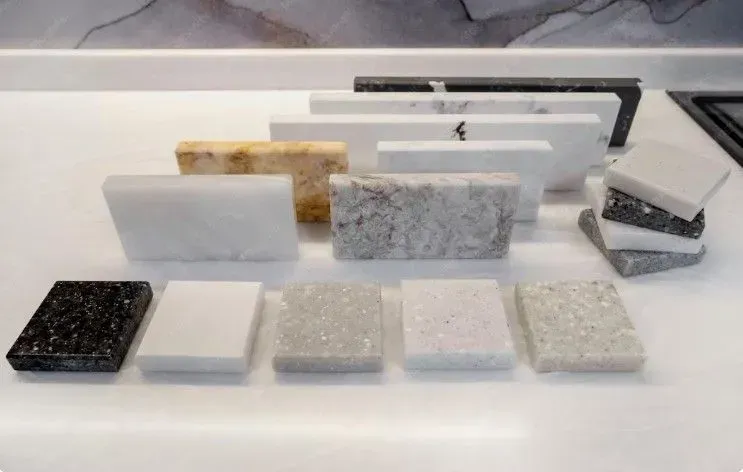
Quartz countertops are engineered surfaces made using natural quartz combined with resins and pigments. Because they are manufactured, they tend to have a more consistent appearance and smoother finish compared to natural stone.
One reason quartz has become so popular across the United States is its convenience. Homeowners love the fact that it doesn’t require sealing and is incredibly easy to clean. For busy families, this can make a huge difference in everyday life.
Quartz also works beautifully in modern kitchens. If you like bright spaces, sleek finishes, and clean designs, quartz often fits that style perfectly. Many newer quartz designs even mimic the appearance of marble while offering better durability and less maintenance.
Understanding Granite Countertops
Granite countertops are made from natural stone, which means every slab is unique. The colors, veining, and patterns are created naturally beneath the earth over time, giving granite a more organic and luxurious appearance.
Many homeowners still choose granite because of its timeless beauty. It adds warmth and character to kitchens in a way that engineered materials sometimes cannot fully replicate.
Granite is also known for handling heat extremely well, making it a favorite for homeowners who cook frequently or spend a lot of time in the kitchen. While it does require occasional sealing, many people feel the natural beauty is worth the extra care.
The Biggest Difference Between Quartz and Granite
The main difference comes down to natural versus engineered material.
Granite offers a completely natural appearance with unique movement and texture. Quartz, on the other hand, provides a more uniform and controlled design that fits modern interiors extremely well.
This difference also affects maintenance. Quartz is non-porous, meaning it resists stains and bacteria without needing additional treatment. Granite is porous, so it needs periodic sealing to protect against moisture and stains.
For some homeowners, low maintenance is the deciding factor. Others care more about having a natural stone surface with one-of-a-kind detail. That’s why this decision is often more personal than technical.
Quartz vs Granite Countertops Cost
When homeowners start comparing countertops, cost is usually one of the first questions.
In most American markets, quartz and granite are fairly close in price. The final cost depends on the quality of the slab, edge styles, kitchen size, and installation complexity.
Quartz can sometimes cost more because of premium designer patterns and popular modern finishes. Granite pricing varies depending on how rare or exotic the stone is.
While upfront pricing matters, it’s also important to think long term. Quartz usually requires less maintenance over time, while granite may need occasional resealing and extra care to preserve its appearance.
Which Countertop Is Easier to Maintain?
This is where quartz has a clear advantage for many homeowners.
Quartz countertops are incredibly simple to maintain. You can clean them easily with mild soap and water, and there’s no need for sealing. They also resist staining very well, which is helpful in busy kitchens where spills happen regularly.
Granite requires a little more attention. Although it’s highly durable, the surface should be sealed periodically to help protect it from moisture and stains. It’s not difficult to maintain, but it does require more effort compared to quartz.
For homeowners with children, busy schedules, or high kitchen traffic, quartz often feels like the more practical choice.
Appearance and Style Differences
Design style plays a huge role when choosing between quartz vs granite countertops.
Quartz tends to look cleaner and more modern. It works especially well in contemporary kitchens with white cabinets, waterfall islands, and minimalist designs. Because quartz is engineered, patterns are usually more consistent across the slab.
Granite feels more natural and dramatic. The movement, texture, and variation in each slab create a unique look that many homeowners find luxurious and timeless. No two granite countertops are exactly alike, which adds personality to the kitchen.
If you prefer sleek and polished spaces, quartz may feel like the better fit. If you love natural textures and distinctive patterns, granite often stands out more.
Which Countertop Is Better for Daily Use?
Both materials are durable enough for everyday kitchens, but they perform differently under certain conditions.
Quartz is highly resistant to stains and scratches, making it excellent for families and frequent kitchen use. However, extreme heat can damage the resin used in quartz surfaces, so hot pans should not be placed directly on the countertop.
Granite handles heat better naturally. Many homeowners appreciate being able to place hot cookware on the surface without worrying about damage. It’s also highly scratch resistant, though sealing remains important for long-term protection.
In practical terms, quartz is usually preferred for convenience, while granite is often chosen for natural performance and aesthetics.
Which Countertop Adds More Value to a Home?
Both quartz and granite countertops can increase the appeal and resale value of a home.
In recent years, quartz has become especially popular in modern real estate markets because buyers appreciate the low-maintenance lifestyle it offers. Many newly remodeled kitchens now feature quartz surfaces because they align with current design trends.
Granite still carries strong resale appeal as well, particularly in luxury homes and custom properties where natural materials are highly valued.
The good news is that neither choice is considered outdated. Both remain premium countertop options in the U.S. housing market.
So, Which One Should You Choose?
If your priority is low maintenance, easy cleaning, and a clean modern look, quartz is probably the better fit for your kitchen.
If you value natural beauty, unique stone patterns, and strong heat resistance, granite may feel more satisfying long term.
A busy family kitchen often benefits from the practicality of quartz, while homeowners who want a more natural and luxurious feel may lean toward granite.
The best countertop isn’t simply the one with the most features. It’s the one that fits the way you actually live.
Final Thoughts
The debate around quartz vs granite countertops continues because both materials offer excellent benefits. Quartz delivers convenience, consistency, and modern style, while granite brings natural elegance, individuality, and timeless character.
Before making your final decision, think about how you use your kitchen every day. Consider your cleaning habits, cooking style, design preferences, and long-term goals for your home.
When chosen carefully, both quartz and granite countertops can completely transform a kitchen and add lasting value to your space for years to come.
